
Dark inner thighs are a very common concern for many Black women. You may notice that the skin between your thighs appears darker than the surrounding areas, creating uneven skin tone.
This condition is usually caused by hyperpigmentation, which happens when the skin produces extra melanin after irritation or friction.
Melanin-rich skin is naturally beautiful, but it can sometimes react to inflammation by producing more pigment. Because of this, areas that experience frequent rubbing or irritation, such as the inner thighs, may darken over time.
The good news is that with the right skincare routine and habits, it’s possible to gradually improve the appearance of inner thigh hyperpigmentation.
In this guide, you’ll learn:
- Why dark inner thighs happen on Black skin
- The best ingredients for inner thigh hyperpigmentation
- A simple body care routine to brighten the area
- Tips to prevent dark inner thighs from returning
With consistent care, many people see noticeable improvements in their skin tone.
This post may contain affiliate links. This means I will earn a commission if you purchase through my link, at no extra cost to you. Please read the full disclosure here.
Why Do Dark Inner Thighs Occur?
Dark inner thighs often develop when the skin becomes irritated or inflamed. When this happens, melanocytes (pigment-producing cells) may create excess melanin, which leads to darker patches.
Several common factors contribute to this condition.
Friction
One of the most common causes of inner thigh hyperpigmentation is skin-to-skin friction.
Activities such as walking, exercising, or wearing tight clothing can cause repeated rubbing between the thighs. Over time, this friction may trigger the skin to produce more pigment.
Shaving and Hair Removal
Frequent shaving, waxing, or hair removal creams may irritate sensitive skin on the inner thighs.
This irritation can sometimes lead to post-inflammatory hyperpigmentation, which appears as dark patches.
Body Acne or Ingrown Hairs
Ingrown hairs, razor bumps, or body acne can also leave behind dark spots after the skin heals.
These marks may take time to fade without proper treatment.
Hormonal Changes
Hormonal fluctuations may increase melanin production in certain areas of the body, including the inner thighs.
Tight Clothing
Clothing that is too tight can trap moisture and increase friction, which may worsen hyperpigmentation.
Best Ingredients for Dark Inner Thigh Hyperpigmentation
Certain skincare ingredients can help brighten the skin and support healthy cell renewal.
Lactic Acid
Lactic acid is a gentle exfoliating ingredient that removes dead skin cells and improves skin texture.
Benefits include:
- Gradual brightening of dark areas
- Smoother skin texture
- Reduced appearance of hyperpigmentation
Because it is relatively mild, lactic acid is often well tolerated by melanin-rich skin.
Glycolic Acid
Glycolic acid accelerates skin cell turnover, helping newer skin cells replace older ones.
With consistent use, this ingredient can gradually improve the appearance of dark inner thighs.
Niacinamide
Niacinamide helps regulate melanin production and improve uneven skin tone.
It can also strengthen the skin barrier and reduce irritation.
Vitamin C
Vitamin C is a brightening antioxidant that helps fade dark spots and support healthy skin.
Regular use can gradually improve the appearance of hyperpigmentation.
Urea
Urea is a hydrating ingredient that helps soften thick or rough skin.
It can also improve moisture levels in areas prone to dryness and irritation.
Simple Routine to Treat Dark Inner Thighs
Improving inner thigh hyperpigmentation requires consistent skincare.
Here is a simple routine that can help support even skin tone.
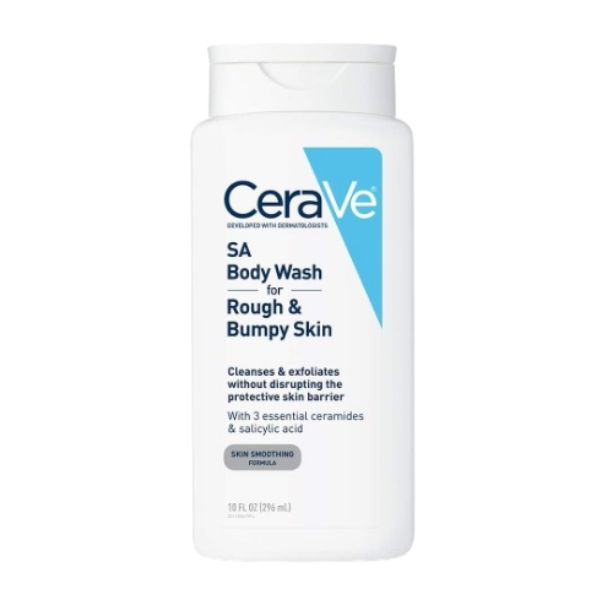
Step 1: Gentle Exfoliation
Exfoliate the area two to three times per week using either:
- A mild chemical exfoliant
- A gentle body scrub
This helps remove dead skin cells and encourages skin renewal.
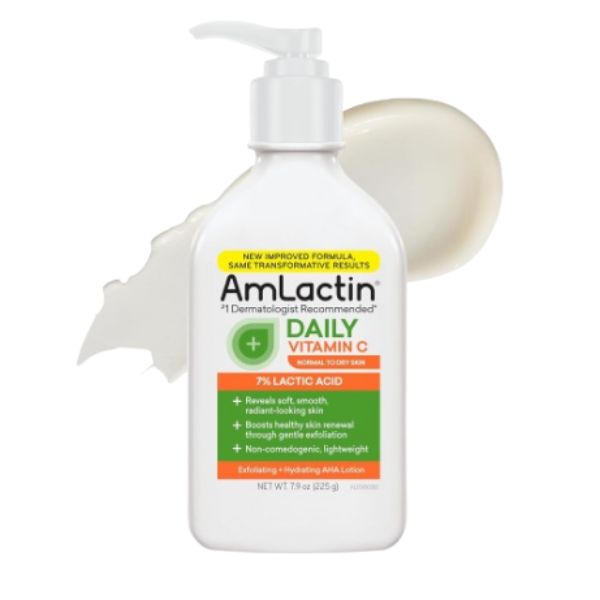
Step 2: Apply Brightening Treatments
After exfoliating, apply products containing ingredients such as:
- Lactic acid
- Niacinamide
- Vitamin C
These ingredients help gradually brighten hyperpigmented areas.
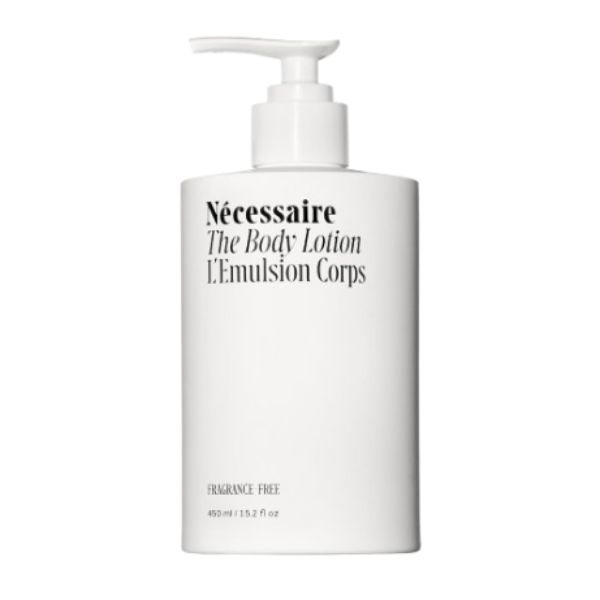
Step 3: Moisturize Daily
Keeping the skin hydrated is essential for maintaining healthy skin.
Choose body lotions that contain:
- Shea butter
- Ceramides
- Urea
- Hyaluronic acid
Moisturized skin is less likely to become irritated.
Step 4: Reduce Friction
Reducing friction is important for preventing further discoloration.
You can help protect the skin by:
- Wearing breathable fabrics
- Using anti-chafing products
- Avoiding overly tight clothing

Natural Tips to Help Prevent Dark Inner Thighs
In addition to skincare products, certain habits can help protect the skin.
Choose Comfortable Clothing
Loose or breathable fabrics can reduce friction and irritation.
Avoid Harsh Hair Removal Methods
If shaving causes irritation, consider gentler hair removal methods that minimize skin inflammation.
Maintain Healthy Skin Hydration
Keeping the skin moisturized reduces dryness and helps maintain a smoother appearance.
How Long Does It Take to Fade Inner Thigh Hyperpigmentation?
Hyperpigmentation does not fade overnight.
Most people notice improvement within 4 to 12 weeks when consistently using skincare treatments.
However, deeper discoloration may take several months to fade completely.
Patience and consistency are key.
When to See a Dermatologist
If dark inner thighs persist despite skincare treatments, a dermatologist may recommend professional options.
These may include:
- Prescription topical creams
- Chemical peels formulated for darker skin tones
- Laser treatments suitable for melanin skin
A professional evaluation ensures the safest and most effective treatment plan.
Final Thoughts
Dark inner thighs on Black skin are a common form of body hyperpigmentation, often caused by friction, irritation, or inflammation.
With the right skincare routine and ingredients, it is possible to gradually improve uneven skin tone.
Ingredients like lactic acid, niacinamide, vitamin C, and glycolic acid help brighten the skin while supporting healthy cell renewal.
By maintaining consistent skincare habits and reducing friction, you can support smoother, brighter, and more even-toned skin over time.
Your melanin-rich skin deserves gentle care, and with the right routine, it can continue to glow beautifully.
Leave a Reply