Let’s talk about what foods cause dark spots on face and what might be affecting your glow-up! Dark spots, or hyperpigmentation, can come from all kinds of things, genetics, skin health, sun exposure, hormonal changes, or even inflammation.
Now, while the food itself doesn’t directly cause dark spots, what you eat can seriously impact your skin’s health and how it looks overall.
In this post, we’re breaking down how your diet connects to those pesky dark spots. Let’s uncover the culprits together and figure out how to make choices that keep your skin healthy and radiant!

This post may contain affiliate links. This means I will earn a commission if you purchase through my link, at no extra cost to you. Please read the full disclosure here.
1. Sun and UV Exposure | The Primary Culprit
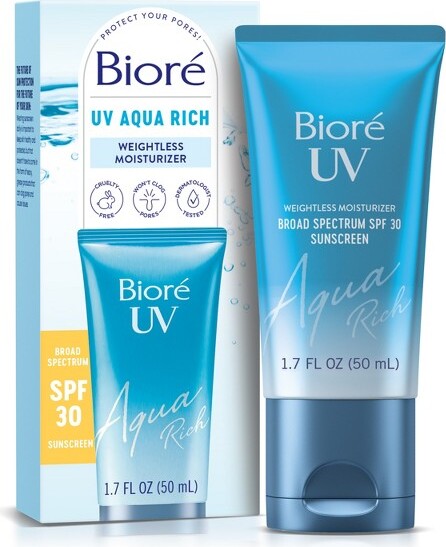
Sun exposure is one of the leading causes of dark spots on the skin. Prolonged exposure to harmful UV rays can lead to skin damage, including sunspots and age spots. Protecting your skin from the sun should be a top priority.
2. Antioxidant-Rich Foods | Your Skin’s Best Friends
To safeguard your skin against the sun’s harmful effects, incorporate antioxidant-rich foods into your diet. These foods are packed with vitamins and minerals that help protect your skin from UV damage and reduce the risk of dark spots. Some excellent sources of antioxidants include:
- Berries: Blueberries, strawberries, and raspberries are loaded with antioxidants that combat free radicals, protecting your skin.
- Leafy Greens: Spinach, kale, and Swiss chard provide ample vitamins and antioxidants to keep your skin healthy.
- Citrus Fruits: Oranges, lemons, and grapefruits are rich in vitamin C, which promotes collagen production and skin repair.
3. Inflammatory Foods | The Not-So-Great Choices
Let’s talk about foods that can mess with our melanin magic! While no food directly causes dark spots, some can make hyperpigmentation harder to manage. Here are a few foods to avoid for dark spots if you’re trying to keep your glow on point:
- Sugary Treats – High-sugar foods spike inflammation, which can lead to breakouts and post-inflammatory dark spots.
- Processed Snacks – Chips and fried goodies can irritate the skin and slow down healing, making hyperpigmentation worse.
- Dairy – For some of us, dairy might trigger hormonal imbalances that leave behind spots.
- Alcohol – Too much alcohol dries out the skin and makes it harder for spots to fade.
Remember, what you eat shows on your skin. Swap these for antioxidant-rich foods like berries, green tea, and leafy greens to support that even-toned glow. Be mindful of foods that affect hyperpigmentation, and keep your skin’s health in check from the inside out.
4. Hormonal Changes
While food doesn’t directly cause hormonal changes, what you eat can help keep those ups and downs in check. Adding omega-3-rich foods like salmon and flaxseeds to your plate can support hormonal balance and keep your skin glowing. Balanced hormones mean fewer breakouts and less worry about foods that affect hyperpigmentation showing up on your skin.
5. Vitamin and Nutrient Deficiencies
Vitamin and nutrient deficiencies can impact skin health. A diet lacking essential vitamins and minerals can lead to skin issues, so it’s important to ensure you’re getting enough of these nutrients:
- Vitamin C: Promotes skin repair and protection against damage. Find it in citrus fruits, strawberries, and bell peppers.
- Vitamin D: Important for skin health. You can get it from fatty fish, eggs, and fortified dairy products.
Conclusion
While food may not directly cause dark spots, your diet plays a huge role in your skin’s health and glow. Choosing antioxidant-rich foods, avoiding inflammatory options, and staying hydrated can help keep your skin radiant and spot-free.
Don’t forget to protect your skin from the sun and manage stress for an extra boost. And if dark spots have you worried, a quick chat with a dermatologist can provide personalized advice. A little care goes a long way toward achieving that healthy, blemish-free glow!
Leave a Reply